Navigating Tree Removal Access Issues in DeLand
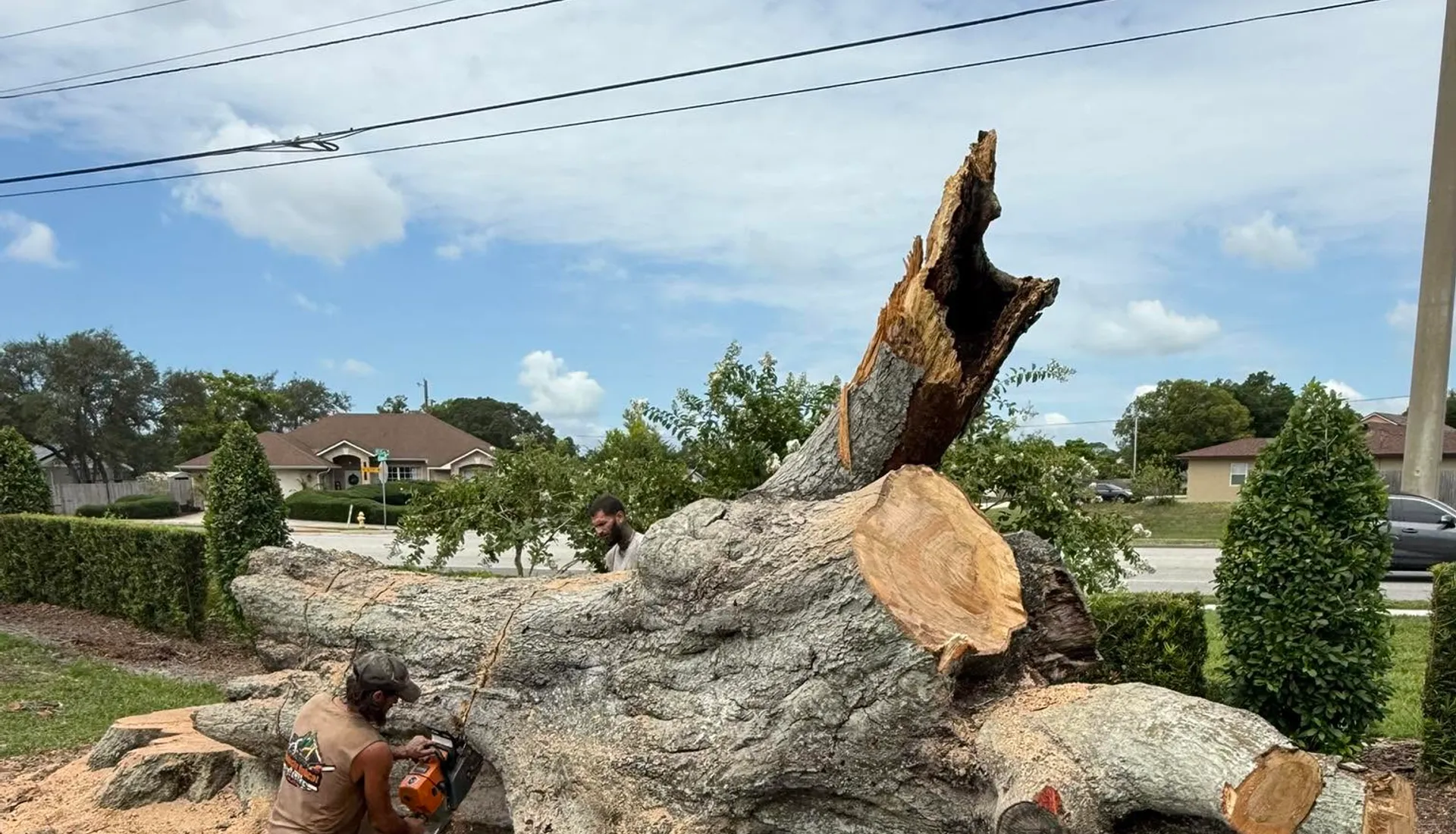
Tree removal in DeLand, Florida, is never a simple call. The city is full of mature oaks, towering pines, and old-growth trees that have been standing long before the houses around them were built. Every job starts the same way: a homeowner notices a problem and wonders what it will take to get that tree down safely. The answer almost always comes down to access.
When a tree is near a house, close to a fence line, or tangled in overhead power lines, the process changes completely. The straightforward method of felling the tree in one cut is no longer possible. That is where tree removal access issues begin to show up, and they can turn a simple job into a complicated one.
I have been doing this work for years. I have seen what happens when a crew shows up without thinking through how they will reach the tree, how they will get equipment in, and how they will take the tree down in pieces. Access is the first thing I check, and it is the thing that can break a job if it is not handled right.
Why Access Matters Before the First Cut
Most people picture tree removal as a guy with a chainsaw and a rope. The reality is different. Large trees require heavy equipment. A crane truck, a bucket truck, a chipper, a stump grinder - these machines are essential for safe and efficient removal. But they also need space. They need a solid surface to drive on, room to maneuver, and overhead clearance to operate.
If a tree is in a tight backyard with a narrow driveway, the bucket truck might not fit. If the ground is soft from recent rain, the crane truck could sink. If power lines run right through the canopy, the whole approach changes. These are the kinds of tree removal access issues that every crew in DeLand faces regularly.
The first thing I do on a site assessment is walk the property. I look at the lot access from the street. I check for gates, fences, and landscaping that might block equipment. I note the location of power lines and the distance from the driveway to the tree. I also look for underground utilities, sprinkler lines, and septic tanks that could be damaged by heavy trucks. A thorough site assessment is the best way to avoid surprises later.
Common Access Problems in DeLand
DeLand has a mix of older neighborhoods with narrow streets and newer subdivisions with wider lots. The older areas tend to have the most challenges. Here are the situations I see most often:
- Narrow driveways that cannot fit a crane truck or bucket truck. The crew has to park on the street and carry equipment by hand, or use a smaller truck that can squeeze through.
- Overhead power lines running directly through the tree canopy. This makes it impossible to safely fell the tree in one piece. The crew must climb the tree and cut it in sections, lowering each piece with ropes.
- Fence lines that block access from the side or rear of the property. Removing a section of fence may be necessary, and that adds time and cost.
- Soft or uneven ground that cannot support the weight of a chipper or stump grinder. In Florida, sandy soil can shift, and wet conditions make it worse. Sometimes the crew has to lay down plywood or steel tracks to distribute the weight.
- Landscaping that is too close to the tree. Flower beds, shrubs, and decorative rocks can all get in the way. Protecting them requires careful planning and sometimes hand removal of smaller branches.
Each of these situations forces the crew to adapt. There is no one-size-fits-all solution. The key is to identify the problems early and plan around them.
How a Professional Crew Handles Tight Access
When a tree is in a tight spot, the crew relies on technique and equipment designed for precision. Climbing the tree with a harness and ropes is common. The climber uses a chainsaw to cut the tree into small sections, lowering each piece to the ground with a controlled descent. This method is slower than using a crane, but it works when there is no room for heavy machinery.
Sometimes a crane truck can still be used, even in a tight space, if the crew can position it on the street and reach over the house. That requires careful calculation of the crane's reach and the tree's height. The crane operator and the climber work together, communicating constantly to avoid accidents. A crane truck is expensive to bring in, but it can be the fastest and safest option when access is limited.
Bucket trucks are another common tool. They work well when the tree is within reach of the truck's arm and there is a clear path to drive the truck close to the tree. But a bucket truck needs overhead clearance too. Low branches, power lines, and even the tree itself can block the truck from getting into position.
I remember a job on a small lot in DeLand where the tree was barely ten feet from the house. The driveway was a single lane with a tight turn. The only way to get a bucket truck in was to remove a section of fence and carefully back the truck up to the tree. The homeowner was nervous about the fence, but we made a plan to repair it afterward. The job went smoothly because we had talked through every step beforehand.
Permits and Regulations in DeLand
DeLand has rules about tree removal. Some trees are protected, especially larger oaks and trees in certain zones. A city permit may be required before cutting down a tree, even on private property. The permit process can be straightforward, but it adds a step that homeowners often do not expect.
When a tree is close to a property boundary, the city may require a survey to confirm the tree is on the homeowner's land. If the tree straddles the property line, both neighbors may need to agree. This is another layer of access - not physical access, but legal and administrative access. It is part of the job that many people do not think about until they are in the middle of it.
Emergency service calls are different. If a tree has fallen on a house or is blocking a road, the city may waive the permit requirement. But even then, access issues can slow things down. A fallen tree that is tangled in power lines requires coordination with the utility company. A tree that has crashed into a fence or a driveway needs careful removal to avoid further damage.
Practical Advice for Homeowners
If you are thinking about having a tree removed, the best thing you can do is be honest about the access on your property. When you call a tree removal service, tell them about the driveway, the fence line, the power lines, and any landscaping that might be in the way. That information helps them give you an accurate estimate and show up with the right equipment.
Do not be surprised if the crew asks to walk the property before they give a final price. A good site assessment is worth the time. It can reveal tree removal access issues that are not obvious from a phone call. It also gives the crew a chance to measure clearances, check the ground conditions, and talk through the plan with you.
Dan, who runs vbtreeremoval.com, always says that a job done right starts with a good plan. He has been doing tree removal in DeLand for years and has seen every kind of access problem you can imagine. His approach is to look at the whole picture - the tree, the property, the neighborhood - and figure out the safest way to get the job done. That is the kind of thinking that makes a difference when access is tight.
Final Thoughts on Tree Removal Access Issues
Tree removal is more than just cutting wood. It is about problem solving. Every tree is different, and every property has its own quirks. The crews that do this work well are the ones who have learned to adapt, to plan ahead, and to communicate clearly with the homeowner.
Access issues are not a reason to avoid tree removal. They are a reason to hire someone who knows how to handle them. A professional crew will have the tools, the experience, and the patience to work through tight spaces, power lines, and narrow driveways. They will also know when to bring in extra equipment like a crane truck or a smaller chipper to fit through a gate.
If you live in DeLand or anywhere in Central Florida, the trees around your home are part of what makes the place beautiful. But they also require care. Whether it is a routine removal or an emergency service call, taking the time to think about access before the crew arrives can save you stress, money, and time. The best job is the one where everyone goes home safe, and the tree comes down without a hitch.